
Get Tree Removal Service in Denver, CO
Tree removal services in Denver help property owners safely eliminate hazardous, overgrown, or unwanted trees, and handle projects like storm damage cleanup and clearance.
Property owners in Denver, CO, considering tree removal often have practical reasons for exploring this service. Whether dealing with hazardous or overgrown trees, preparing for construction projects, or aiming to improve the safety and appearance of a property, finding experienced local contractors can make a significant difference. Planning such projects requires careful comparison of available options to ensure the work meets safety standards and aligns with property goals. Staying informed about the choices in the area helps in making confident decisions for maintaining a healthy and safe outdoor environment.
Visitors to this page can discover a range of trusted service providers equipped to handle various tree removal needs. By exploring local options, property owners can connect with experienced contractors who understand the specific demands of Denver’s landscape and urban environment. Keep reading to learn more about how these professionals can assist with planning and executing your tree removal projects, ensuring the work is completed efficiently and effectively.
- Hazardous Tree Removal - needed when a tree poses a risk to nearby structures or power lines in neighborhoods like Capitol Hill or Highlands Ranch.
- Storm-Damaged Tree Cleanup - required after severe weather events that cause branches or entire trees to fall in areas such as Aurora or Lakewood.
- Overgrown Tree Trimming - necessary to maintain clearance and health for trees encroaching on homes or sidewalks in Denver's urban neighborhoods.
- Stump Grinding and Removal - useful when removing old stumps to improve yard safety and aesthetics in communities like Englewood or Littleton.
- Tree Health Assessments - performed when signs of disease or decay appear, helping homeowners in nearby suburbs identify needed interventions.
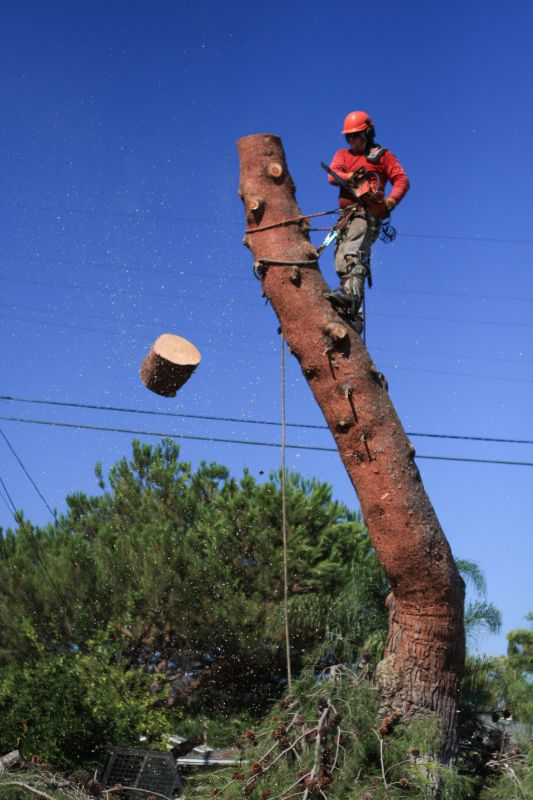
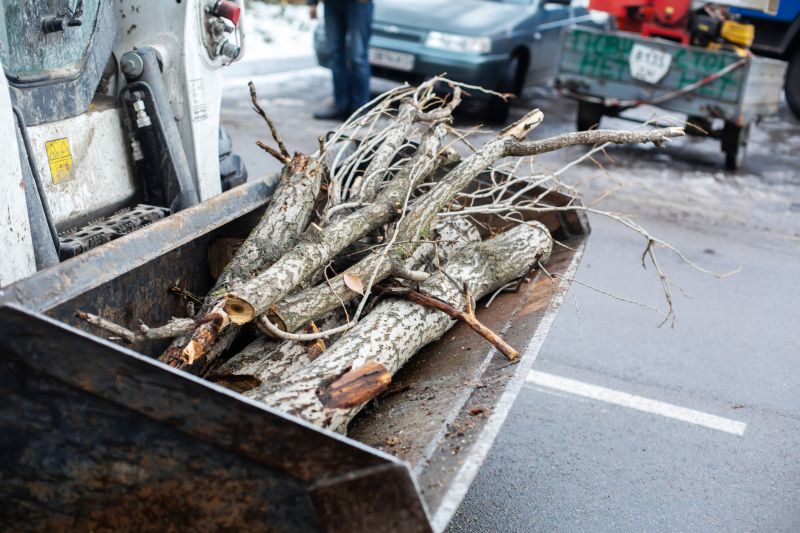
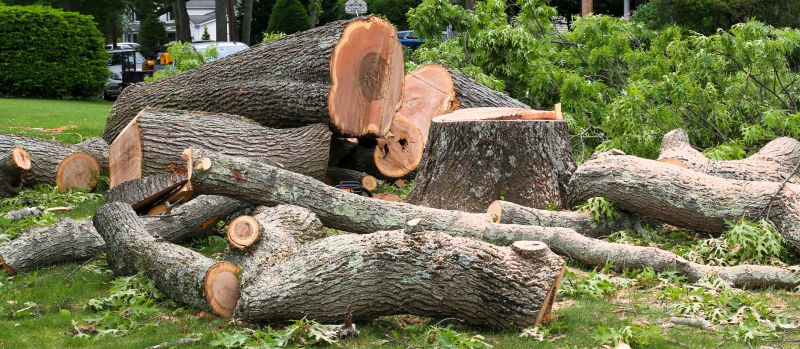
Tree removal services involve the careful cutting and disposal of trees that are no longer healthy, pose safety risks, or interfere with property use. These services typically include assessing the condition of the tree, planning the safest method of removal, and then executing the work with specialized equipment. Professional contractors ensure that the tree is taken down efficiently while minimizing potential damage to surrounding structures, landscaping, or utility lines. The goal is to remove problematic trees safely and cleanly, leaving the property in good condition afterward.
This service helps resolve a variety of common problems homeowners face. Dead or dying trees can become hazards if they are at risk of falling, especially during storms or high winds. Overgrown trees may obstruct views, block sunlight, or interfere with power lines, creating safety concerns or service interruptions. Additionally, trees with unstable branches or compromised root systems might threaten nearby structures or sidewalks. Removing these trees can prevent accidents, property damage, and costly repairs, making it a practical solution for maintaining safety and property value.
Tree removal is often needed on residential properties, including single-family homes, multi-family complexes, and even some commercial sites. Properties with large yards, gardens, or landscapes frequently encounter trees that need to be removed due to age, disease, or development projects. Urban areas with limited space may also require tree removal to accommodate construction or infrastructure upgrades. In all cases, professional service providers have the experience and equipment necessary to handle trees of various sizes and types, ensuring the work is done safely and effectively.
Homeowners should consider tree removal services when they notice signs of trouble such as leaning trees, large dead branches, or root damage affecting the foundation. Trees that are too close to the house, power lines, or other structures may need to be removed to prevent future hazards. Additionally, if a tree has become diseased or infested with pests, removal can help protect the health of surrounding plants and trees. By connecting with local contractors, property owners can find the right expertise to address these issues and keep their outdoor spaces safe and attractive.
The overview below groups typical Tree Removal Service projects into broad ranges so you can see how smaller, mid-sized, and larger jobs often compare in Denver, CO.
In many markets, a large share of routine jobs stays in the lower and middle ranges, while only a smaller percentage of projects moves into the highest bands when the work is more complex or site conditions are harder than average.
Smaller Tree Removal - For routine removals of small trees or branches, local contractors typically charge between $250 and $600. Many projects fall within this range, especially for trees under 30 feet tall. Larger or more complex small jobs may cost more but are less common.
Medium-Sized Tree Removal - Removing medium-sized trees, around 30 to 60 feet tall, usually costs between $600 and $1,500. This is the most common range for standard tree removal projects in the Denver area. Costs may increase for trees with difficult access or other complications.
Larger Tree Removal - For large trees over 60 feet, prices generally range from $1,500 to $3,500. These jobs are less frequent and often involve more extensive equipment and safety measures. Some complex projects can exceed this range but are less typical.
Full Tree Removal and Stump Grinding - Complete removal of a tree along with stump grinding typically costs $1,000 to $4,000, depending on size and location. Many projects land in the middle of this range, with higher costs for challenging sites or multiple trees. Larger, more involved projects can reach beyond $5,000.
Actual totals will depend on details like access to the work area, the scope of the project, and the materials selected, so use these as general starting points rather than exact figures.
Stump Grinding - this project involves removing tree stumps using specialized tools, a skill closely related to tree removal and site clearing.
Emergency Tree Care - addressing storm-damaged or fallen trees requires planning and equipment similar to standard tree removal services.
Land Clearing - clearing overgrown or wooded areas involves similar techniques, tools, and safety considerations as tree removal.
Pruning and Trimming - shaping and maintaining trees through pruning uses skills in tree assessment and precise cutting, related to larger removal projects.
Root Zone Excavation - excavating around tree roots for construction or maintenance shares planning and equipment needs with tree removal tasks.
Hazard Tree Assessment - evaluating trees for potential risks involves knowledge of tree health and structure, complementing removal services when necessary.
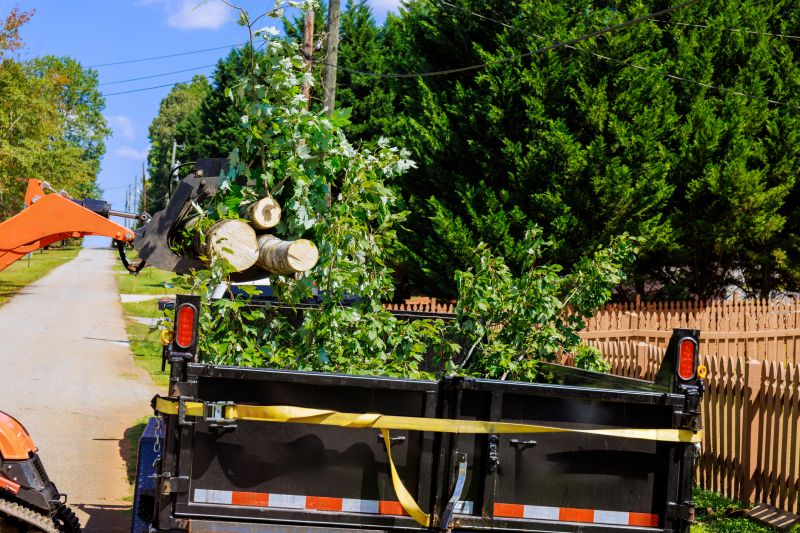
When comparing tree removal service providers in Denver and nearby areas, it’s important to consider their experience with similar projects. Homeowners should look for local contractors who have a proven track record of handling tree removal jobs comparable in size and complexity to their own. An experienced service provider will be familiar with the unique challenges that can arise in the local environment, ensuring the work is performed efficiently and safely. Gathering information about past projects can help gauge whether a contractor has the practical knowledge necessary to meet specific needs.
Clear, written expectations are essential when choosing a tree removal service. Homeowners should seek providers who offer detailed descriptions of their services, including the scope of work, the methods used, and any preparations or follow-up steps involved. Having this information in writing helps prevent misunderstandings and ensures everyone is aligned on what will be done. It’s also beneficial to clarify what is included in the service and what might be considered additional work, so there are no surprises once the project begins.
Reputable references and effective communication are key indicators of a dependable service provider. Homeowners should ask for references from previous clients with similar projects and follow up to learn about their experiences. Good communication throughout the process-such as responsiveness to questions and clarity in explanations-can make the entire experience smoother. When choosing a local contractor, it's helpful to prioritize those who demonstrate professionalism, transparency, and a willingness to address concerns, as these qualities often reflect their overall reliability and commitment to quality work.
Property owners in Denver, CO use Tree Removal Service services for practical projects around their homes and businesses. This guide focuses on everyday jobs and straightforward project options.
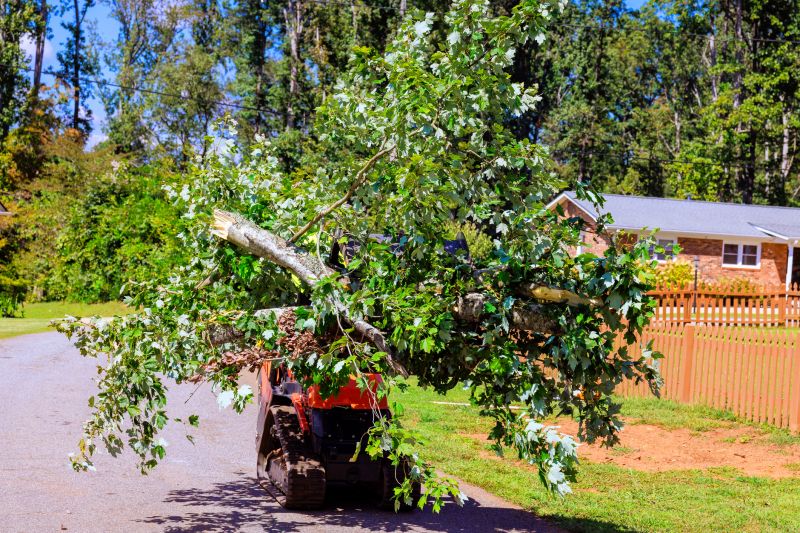
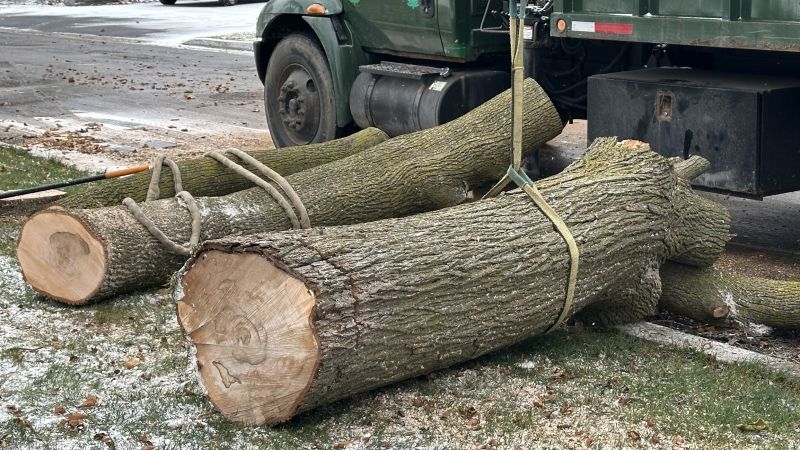
Property owners in Denver, CO often seek tree removal services when facing safety concerns due to overgrown or damaged trees. Heavy snowfalls and strong winds common in the area can weaken branches or entire trees, creating hazards around homes, driveways, and walkways. Additionally, trees that are diseased or dying may pose a risk of falling, prompting residents to look for professional removal to protect their property and loved ones.
Other common reasons for seeking tree removal include clearing space for new construction or landscaping projects, removing obstructions that interfere with power lines or views, and maintaining the overall appearance of a property. Local contractors can handle these projects efficiently, helping property owners manage their outdoor spaces safely and effectively.
What types of trees can be removed by service providers? Local contractors typically handle a wide variety of trees, including deciduous, evergreen, and ornamental species, depending on their equipment and expertise.
Is professional tree removal necessary for large or hazardous trees? Yes, professionals have the experience and tools needed to safely remove large or unstable trees that may pose risks to property or safety.
What are common reasons for removing a tree? Trees may be removed due to disease, damage, construction needs, or to improve the safety and appearance of a property.
How do service providers ensure safe tree removal? Local contractors follow safety protocols, use specialized equipment, and assess each situation carefully to manage risks during removal.
Can a tree be partially removed or pruned instead of fully removed? Yes, many service providers offer pruning and partial removal options to maintain the health and aesthetics of trees when full removal isn't necessary.
Tree Removal for Landscaping Projects - Property owners planning to redesign their yard can use tree removal services to clear space for new planting or hardscaping features.
Clearing Hazardous Trees - When a tree shows signs of disease or damage, local contractors can safely remove it to prevent potential damage or safety risks.
Storm Damage Cleanup - After severe weather, property owners may need professional tree removal to clear fallen or broken branches and trees from their property.
Removing Unwanted or Overgrown Trees - Homeowners looking to reduce overgrown or invasive trees can utilize tree removal services to improve yard aesthetics and functionality.
If you are thinking about Tree Removal Service for a property in Denver, CO, this guide is meant to help you understand the work, the typical project types, and how different options might fit your plans.
When you are ready, you can use the quote form on this page to share a few details about your project. From there, local pros can review the basics and respond with options that match what you have in mind.